ON THE SHORE
The hermit crab's shell
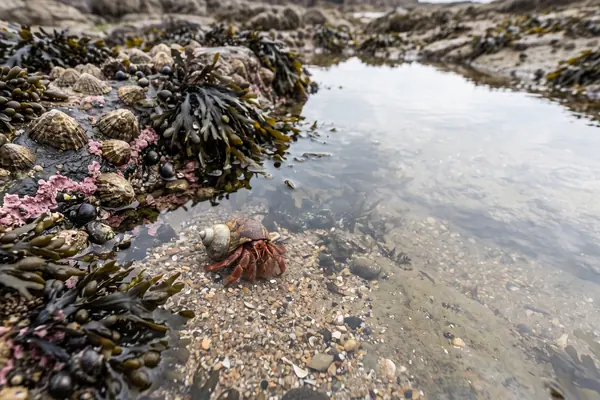
Hermit crabs live in empty sea snail shells, especially whelks and periwinkles, and move into ever larger shells as they grow.
Meet a borrower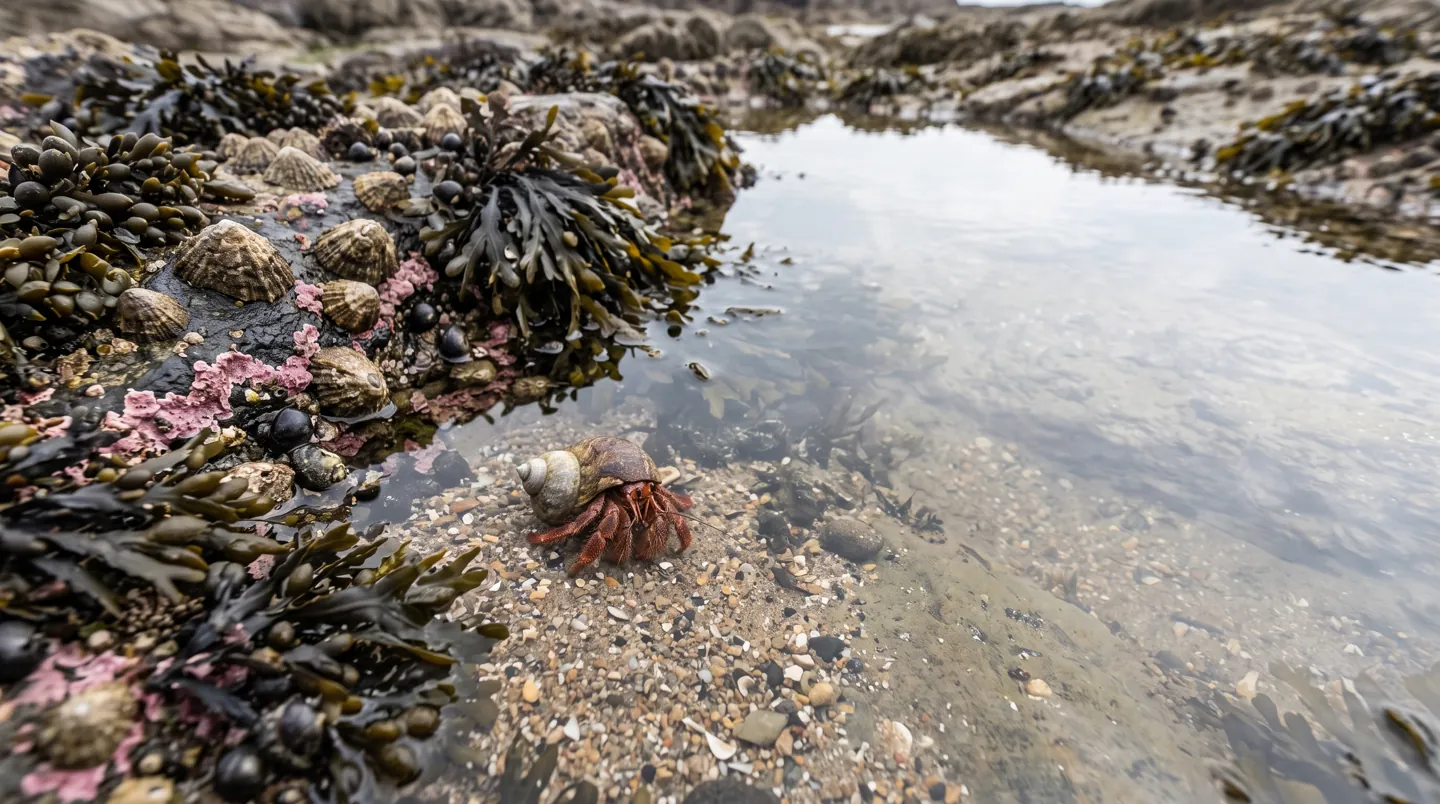
 liveborrow
BRITAIN'S HOME-BORROWERS
BORROWED shells, nests, colonies
Some animals never build a home of their own.
On British shores and in British meadows, a few creatures live in shells, nests and colonies made by someone else. Some borrow what is empty. Others move in while the owner is still there.
Updated
Meet a borrowerTHE SHORT ANSWER
Borrowing a home saves building one.
Some borrowers pay the owner back. Many do not.
ON THE SHORE
Hermit crabs live in empty sea snail shells, especially whelks and periwinkles, and move into ever larger shells as they grow.
Meet a borrowerIN THE NEST
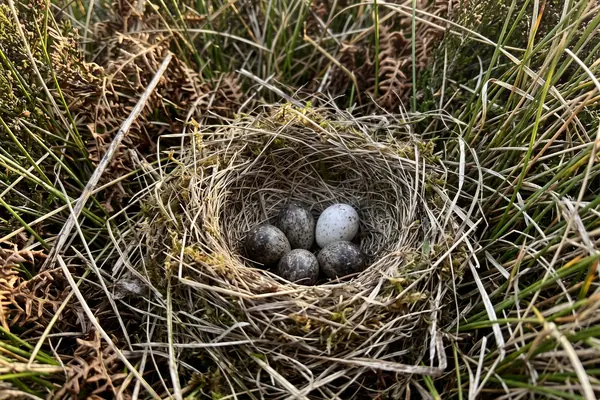
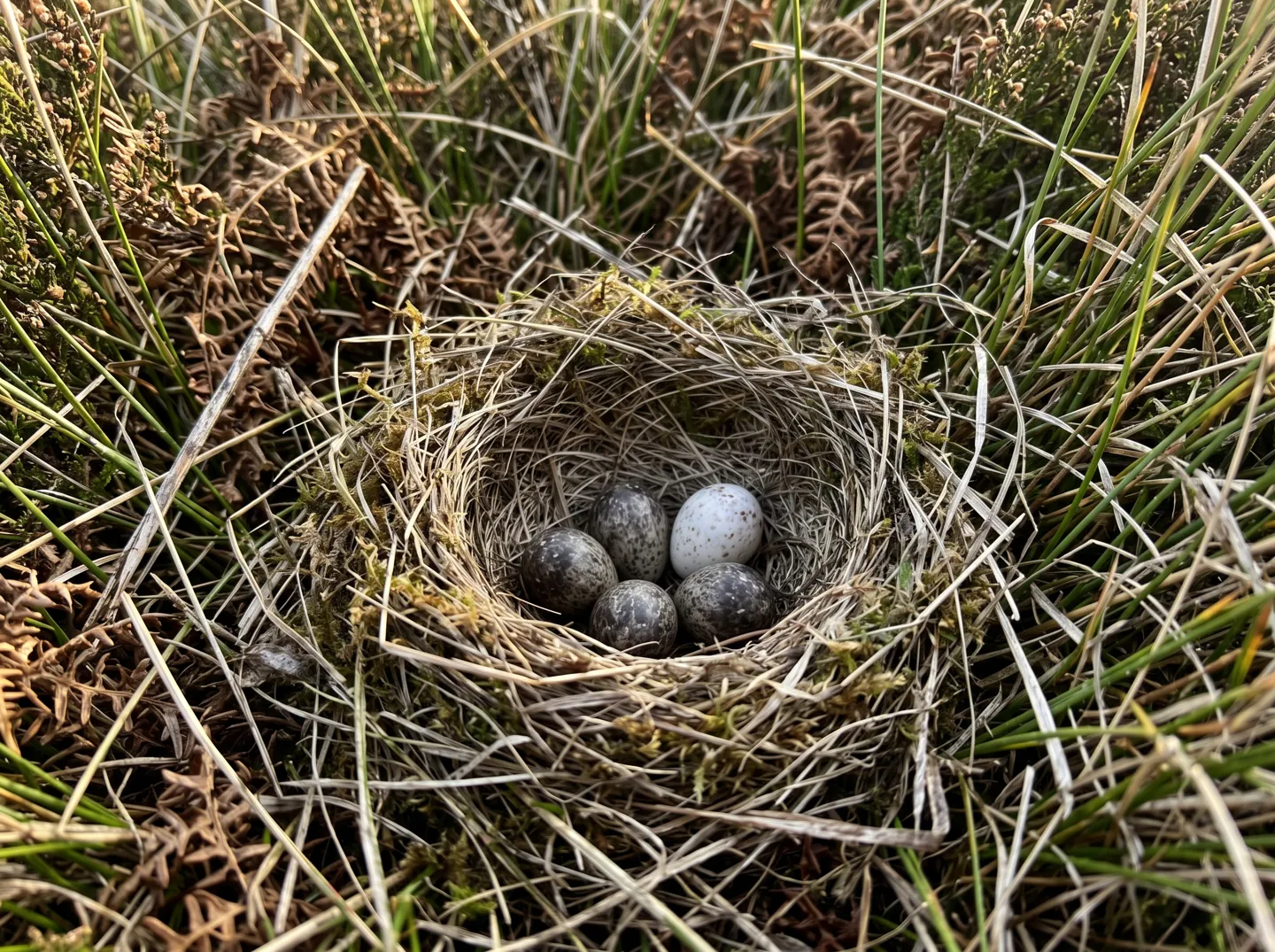
Female cuckoos build no nest. Each removes a host's egg and lays her own in its place, often in a Meadow Pipit's nest.
See the numbersIN THE COLONY
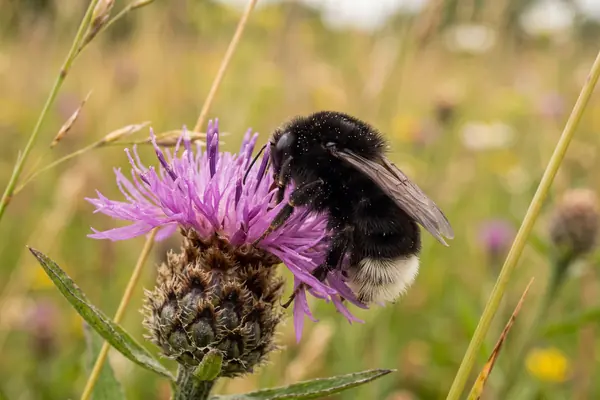
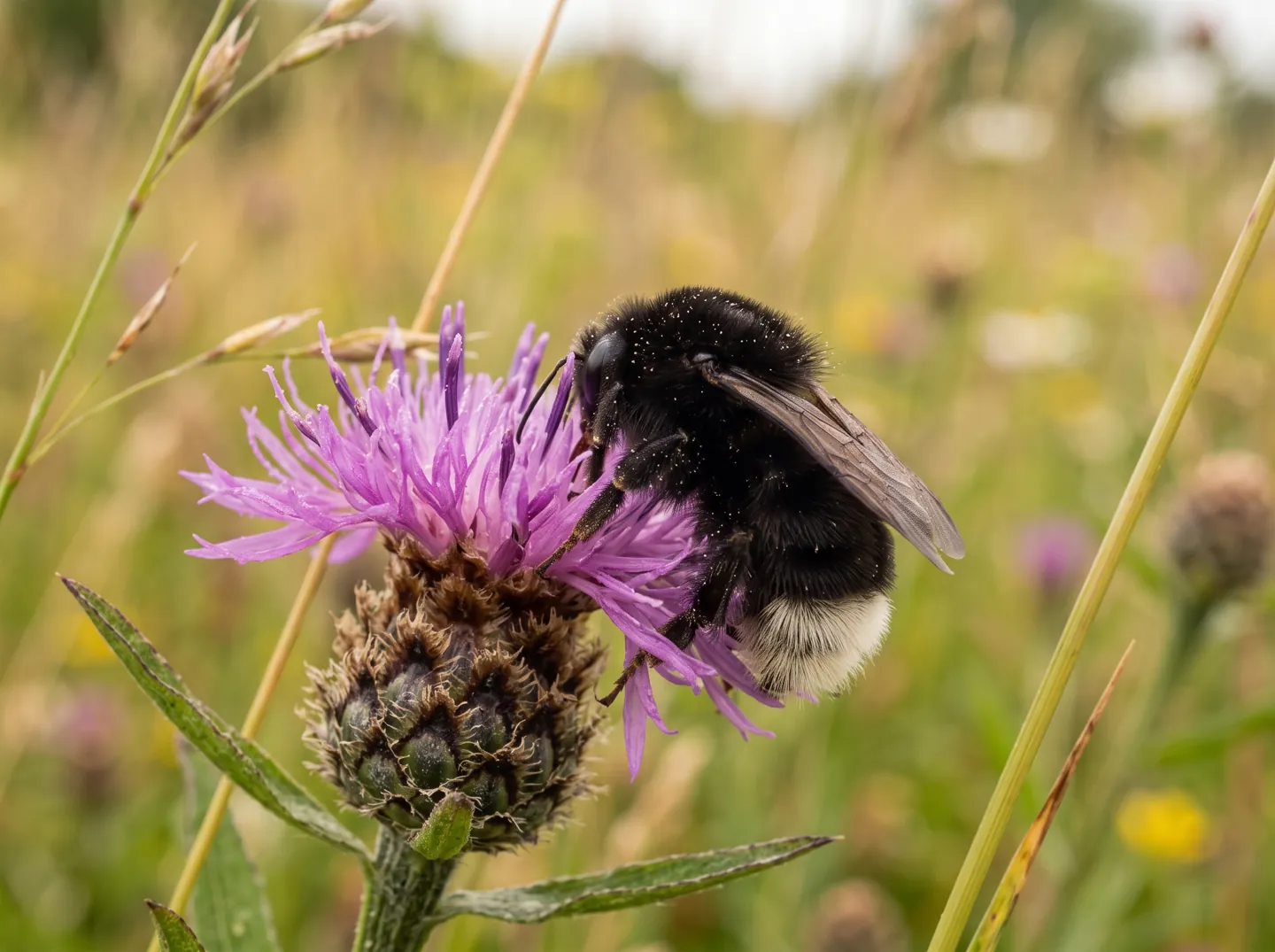
A female cuckoo bee enters a social bumblebee nest, kills the queen and takes it over. The workers then raise her young.
Spot them yourselfMEET A BORROWER
Pick a borrower to see how it gets its home. The bar shows how much the borrowing costs the original owner, from nothing at all to a lost nest or colony.
Based on RSPB, Bumblebee Conservation Trust, North Wales Wildlife Trust and Scottish Seabird Centre species pages.
TWO NUMBERS WORTH KNOWING
How many nests one cuckoo borrows in a season,
and how many UK bumblebees live borrowed.
12–22
Eggs a female lays in a season
The RSPB says a female cuckoo lays between 12 and 22 eggs over a season, each in a different nest, and tends to choose the same host species that reared her.
CUCKOO · RSPB
6 of 24
UK bumblebees that are cuckoo bees
The Bumblebee Conservation Trust says six of the UK's 24 bumblebees are cuckoo bees. They are pollinators too, and not a major threat to social bumblebee populations.
BUMBLEBEES · BBCT
The cuckoo is Red-listed in the UK. BTO, which has satellite-tracked cuckoos since 2011, says their numbers have fallen by over 30% since 1995.
FOUR WAYS TO SPOT THEM
You do not need special kit, just a slow look at the right place in the right season.
In a rock pool, a periwinkle or whelk shell that crawls is probably a hermit crab. They are found around all UK coasts, all year.
The common hermit crab is reddish brown and its right pincer is larger than its left.
Cuckoos lay from late April through June. Only the males call 'cuck-oo'; females make a bubbling sound.
Cuckoo bumblebees collect no pollen, so they have no pollen baskets on their back legs.
BE A GOOD VISITOR
Hermit crabs sometimes end up in rock pools after rough weather scatters them from their usual homes, which reach down to about 150 metres below the surface.
The Scottish Seabird Centre asks rockpoolers to leave everything as they found it, and that includes putting a hermit crab back with its borrowed shell where it came from.
Questions
From sea snails. Wildlife trust pages describe them living in empty or discarded sea snail shells, especially whelks and periwinkles, and moving to larger ones as they grow.
It has tough pincers but a soft body, which it coils up inside its borrowed shell, gripping on with its hooked tail.
The RSPB says Meadow Pipit nests are particularly favoured, and Dunnocks are among other hosts. Females tend to choose the species that reared them.
With other birds raising their young, adults are free to leave early. Most head to Africa during June; young cuckoos leave later, once fully fledged.
The Bumblebee Conservation Trust says they are important pollinators in their own right and not a major threat to social bumblebee populations.
Sources
ABOUT THIS NAME
liveborrow.com is part of the DoodleSale portfolio. It isn't in an auction right now, but you can ask about leasing it.